
Ghosts on walls: Who Controls the Message?

En septembre 2025, une fresque de Banksy au Royal Courts of Justice de Londres, rapidement effacée au nom de la protection patrimoniale, relance le débat sur qui contrôle le message et que devient l’art de protestation.
The example is in English to help you practice 😉
Ready-to-use example
On the 8th of September 2025, a new mural by Banksy appeared on the Queen's Building wall of the Royal Courts of Justice in London.
Banksy confirmed authorship by posting it to his Instagram, captioned "Royal Courts Of Justice. London."
He painted three panels (a triptych) showing the Mediterranean shore strewn with life-vests etc., referencing the refugee crisis.
The Royal Courts' administrators cited the building's listed status (heritage protection) as a reason for removing the mural, as it could not remain on a historic wall.
The mural appeared in the immediate wake of a protest in London against the UK government's ban on the activist group Palestine Action, during which ~890 people were arrested.
In just two days the whole artwork was erased. A masked individual was filmed removing portions of the mural while police stood nearby.
A temporary barrier was put up to conceal the artwork. But despite these efforts, the artwork remains distinguishable, as a ghostly trace of paint is still visible.
The swift and deliberate cleanup was interpreted by some as part of the piece's message: protest is quickly erased to mute opposition...
Some asked why the court didn't preserve or relocate it instead of erasing it.
Street art as protest
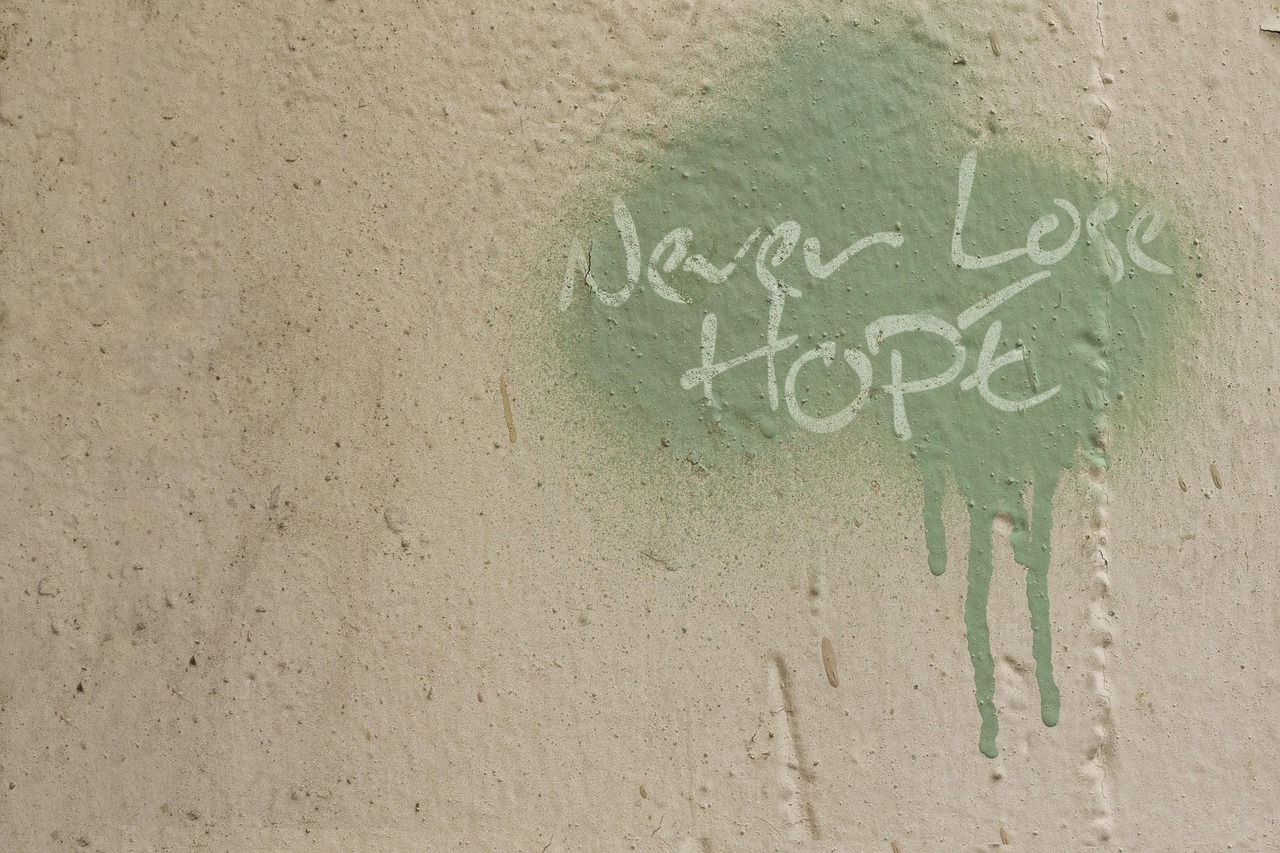
From NYC subway graffiti in the 1970s to Northern Ireland's political murals, Keith Haring's AIDS activism drawings and the massive Black Lives Matter street murals of 2020, street art has consistently served as a protest tool.
Who is Banksy? (fun facts)
Banksy tried to trademark one of his famous stencil designs, Flower Thrower, in the EU in 2014 but lost the case years later because his identity is officially unknown.
Banksy secretly installed a shredder in the frame of a painting in case it was ever put up for auction. When Girl With Balloon was sold for over £1m at Sotheby's, the frame's shredder activated right after the hammer fell, partially destroying the artwork.
In 2020, during the Covid pandemic, Banksy created a piece showing a child playing with a toy nurse, later called Painting for Saints. He donated it to Southampton General Hospital as thanks "for all you're doing". It was auctioned later for about £14.4 million to benefit NHS (National Health Service) charities.
Let's reflect on that
To help you remember, here are a few questions you can reflect on and discuss with your friends. This could help you feeling more confident during a colle or when finding a leading question.
- In what ways does the public's perception of a government or institution change (trust) when art is removed/banned? (movies)
- To what extent can the destruction or censorship of street art amplify its message rather than suppressing it?
- Does knowing the artist's identity change the interpretation?
- To what extent should cultural heritage take precedence over artistic freedom and protest? (For example: environmental protesters destroying art in museums.)
Pour aller plus loin
Tu as aimé cet exemple ? 🔥
Découvre 30 autres exemples d’anglais sur tous les thèmes du programme, prêts à l’emploi pour cartonner à ta prochaine colle 💪
👉 Clique ici pour accéder à tous les exemples !
Vocabulary
- a mural - une fresque
- to cite something - citer quelque chose
- in the wake of - juste après quelque chose
- a protest - une manifestation
- swift - rapide
- to relocate - déplacer
- to conceal - dissimuler
- to auction - mettre aux enchères
- shredder - broyeur
- to trademark - déposer une marque
- to serve as a tool for - servir d'outil pour
- heritage - patrimoine